

When Canadian actuaries engage internationally, the impact often unfolds gradually. It builds over time.
Much of this work happens through conversations, working groups and collaboration with peers worldwide, without a direct line to day-to-day work. Over time, however, the work shapes how standards evolve, how new areas of practice emerge and how the profession positions itself globally.
Through the work of the International Affairs Council (IAC), the CIA plays a role in these conversations. We aim to ensure Canadian perspectives are represented and that international developments are shared with CIA members in ways that are relevant and useful to their work.
Recently, three Fellows and past Presidents of the CIA – Simon Curtis, Micheline Dionne and Jacques Tremblay – travelled to Ljubljana, Slovenia, to participate in meetings held by the International Actuarial Association (IAA). Curtis, Dionne and Tremblay attended as CIA delegates. Tremblay is also the CIA’s International Ambassador and represents the current CIA President at IAA Council, carrying the Institute’s vote on key issues.
A few themes stood out.
The profession evolves through collaboration
One clear takeaway from recent meetings is that the profession continues to evolve how it works together internationally.
There is a growing focus on more effective collaboration – bringing the right expertise together and ensuring discussions lead to tangible results. While this may seem like an internal shift, it has real implications for how adroitly the profession responds to new challenges and opportunities.
From a Canadian perspective, this highlights the importance of influence. Being part of these conversations allows us to help shape direction rather than simply responding to it.
“There’s a strong emphasis on improving how international work is coordinated globally so that it leads to more tangible outcomes for key stakeholders.”
Jacques Tremblay, FCIA
Applying artificial intelligence in our work
AI continues to be a major focus across international actuarial work, and the conversation is starting to mature.
Rather than focusing on whether AI is relevant to actuaries, discussions are centred on how existing principles and standards apply in an AI-enabled environment. This reflects a shift toward practical application.
“The focus is increasingly on how we apply existing actuarial principles to emerging topics like AI, rather than starting from scratch.”
Simon Curtis, FCIA
This work is supported by guidance, case studies and shared frameworks that help actuaries understand how AI fits into real-world practice.
From an IAC perspective, this is the kind of development we monitor closely, particularly where global work can translate into practical insight for CIA members.
Climate and sustainability: Expanding the scope of actuarial work
Climate-related work continues to expand both in scope and in importance.
What stands out is how broad the work has become. Discussions span financial reporting, modelling approaches and emerging risks such as nature-related disclosures. They also include newer areas, such as carbon markets and water risk.
“The profession is seeing more pathways for actuaries to contribute in climate-related fields than ever before, such as carbon pricing and water risk.”
Micheline Dionne, FCIA
This remains an area where the profession is continuing to define its role. Canadian actuaries have an opportunity to contribute meaningfully as that role develops.
Professional standards: What’s evolving internationally
Another important area of focus is the ongoing evolution of professional standards.
Work is progressing on updates to the International Standards of Actuarial Practice (ISAPs), including ISAP 1, which is nearing finalization following a recent round of consultation. At the same time, ISAPs 2 through 4 are scheduled for review, and ISAP 5 is under consideration as part of broader efforts to keep the standards current and relevant.
“There’s a steady focus on keeping standards fit for purpose, especially as new areas like AI continue to emerge.”
Simon Curtis, FCIA
For CIA members, this visibility is important. It provides an early view of where international expectations may be heading and where there may be opportunities to contribute input and perspective.
Strengthening the global voice of the profession
Behind many of these conversations is a broader effort to strengthen the profession’s global voice.
This includes ongoing engagement with international organizations involved in insurance, pensions, financial reporting and public policy. These connections help ensure that actuarial perspectives inform broader discussions shaping financial systems and risk management frameworks.
From the IAC’s perspective, this work is an important part of how the CIA contributes internationally and how Canadian actuaries stay connected to the broader direction of the profession.
Why this matters to CIA members
International discussions do not always result in immediate changes but they shape the environment in which actuaries work. This includes professional standards, emerging practice areas and shared expectations across jurisdictions.
They also create opportunities to get involved, contribute expertise and stay ahead of where the profession is heading.
About the IAC
The IAC supports the Institute’s engagement with actuarial organizations around the world. Through collaboration with international partners, the council helps ensure that Canadian actuaries contribute to and benefit from global developments in the profession.
The IAC brings together members focused on strengthening the CIA’s international presence and connections. Current members are Jason Vary (Chair), Hélène Baril (Vice-Chair), Mason Lin, Georgina Montiel, Saygun Aktas, Crispina Caballero, Min Zhang, Jacques Tremblay, Jason Alleyne, Assia Billig, June Smyth, Marco Fillion and Jason Malone.

Jason Vary, FCIA, FSA, Chair of the IAC, has more than 25 years of actuarial experience. He is President of Actuarial Solutions, where he leads the firm’s strategic direction and advises clients on pension funding, administration and accounting. He is actively engaged in international actuarial work through the IAA, helping advance the profession and bring global insights back to Canadian actuaries.
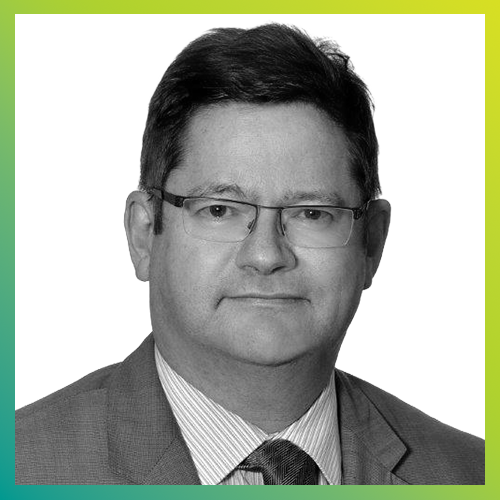
Simon Curtis, FCIA, is a seasoned actuarial leader with extensive international experience. A past President of the CIA, he has held senior executive roles in both global life and reinsurance insurers, including global chief actuary and executive vice-president positions. He is actively involved in international actuarial work through the IAA and contributes to the development of global standards and guidance.
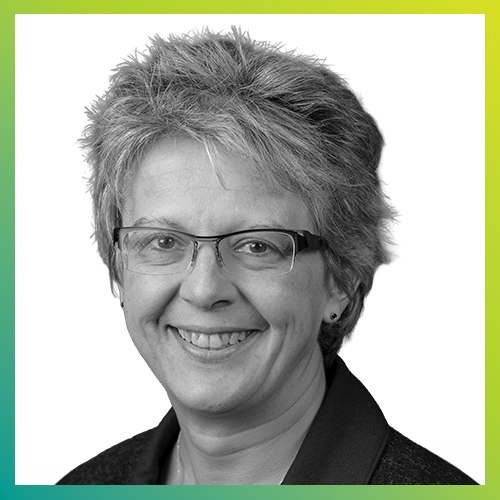
Micheline Dionne, FCIA, is a highly accomplished actuarial leader and a past President of both the CIA and the IAA. She has played a key role in advancing global actuarial standards, including leading the development of ISAP 4 and contributing to international climate risk initiatives. Over the course of her career in life insurance and reinsurance, she has served in senior actuarial roles and remains deeply involved in shaping the global profession.
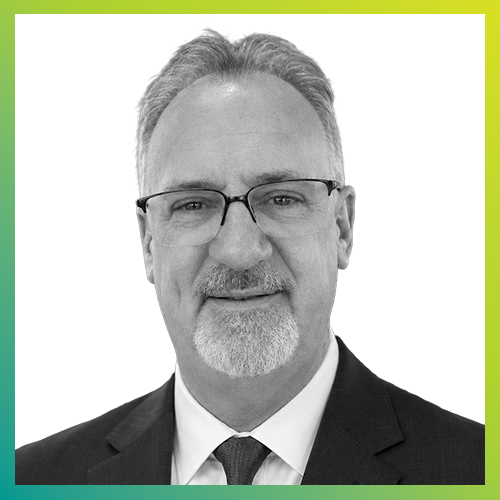
Jacques Tremblay, FCIA, FSA, MAAA, is a partner with the actuarial consulting practice of Oliver Wyman. He has over 40 years of experience in the Canadian life insurance industry. A past President of the CIA, he is a senior executive with expertise spanning enterprise risk management, advanced financial modelling, insurance analytics and strategic capital management.